At MaserGrup, we see innovation as one of the main drivers of growth and competitiveness across the companies within the group. In line with this approach, Fruselva is taking part in the European FERM4FOOD project, an initiative funded by the Horizon Europe programme that aims to transform CO₂ generated during industrial fermentation processes into new high-value food ingredients.
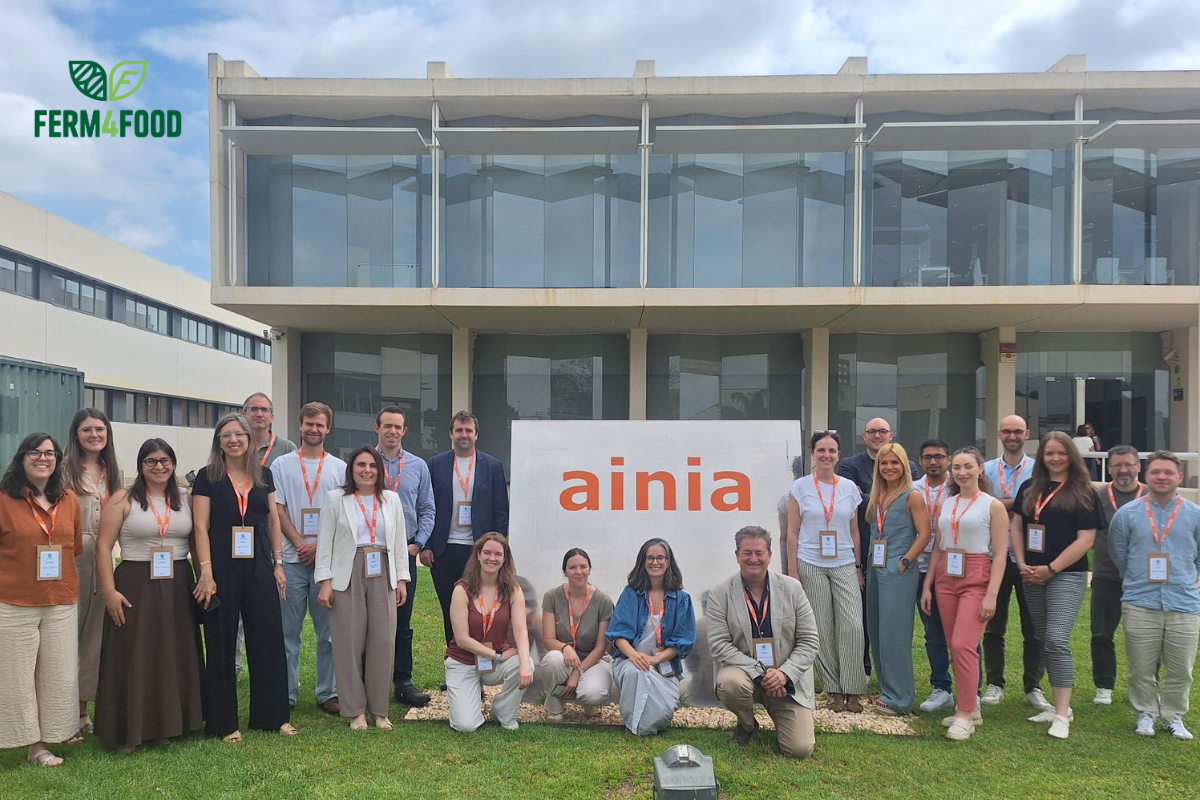
Fruselva plays a key role within the consortium, which brings together 15 organisations from 8 European countries and is coordinated by AINIA, leading the formulation and development of products intended for the end consumer.
The project will develop a modular platform capable of producing ingredients such as lactic acid, single-cell protein and microbial oils from CO₂ through precision fermentation processes. These ingredients will be used to develop two new food concepts: a high-protein barista-style plant-based drink and a functional beauty food pouch.
For MaserGrup, Fruselva’s participation in FERM4FOOD reinforces a strategy based on applied innovation, sustainability and international collaboration. Being part of European projects of this scale allows us to anticipate emerging trends, generate knowledge and explore solutions capable of responding to the future needs of the food industry.
FERM4FOOD is also aligned with European targets for reducing emissions and improving resource efficiency, with the project expected to reduce CO₂ emissions by at least 45% compared with conventional ingredient production systems.
Through initiatives such as this, at MaserGrup we continue to support companies capable of combining technology, sustainability and new product development, strengthening Fruselva’s position as a relevant player in European food innovation.
This project has received funding from the European Union’s Horizon Europe programme under Grant Agreement No. 101181822. The views and opinions expressed are those of the authors only and do not necessarily reflect those of the European Union or the European Research Executive Agency (REA). Neither the European Union nor the granting authority can be held responsible for their content.